Key takeaways
- Rainfall is plentiful, with intense storms common
- Red clay soils drain slowly
- Limestone is often near the surface
- Hills create fast runoff and erosion risks
Plenty of rain
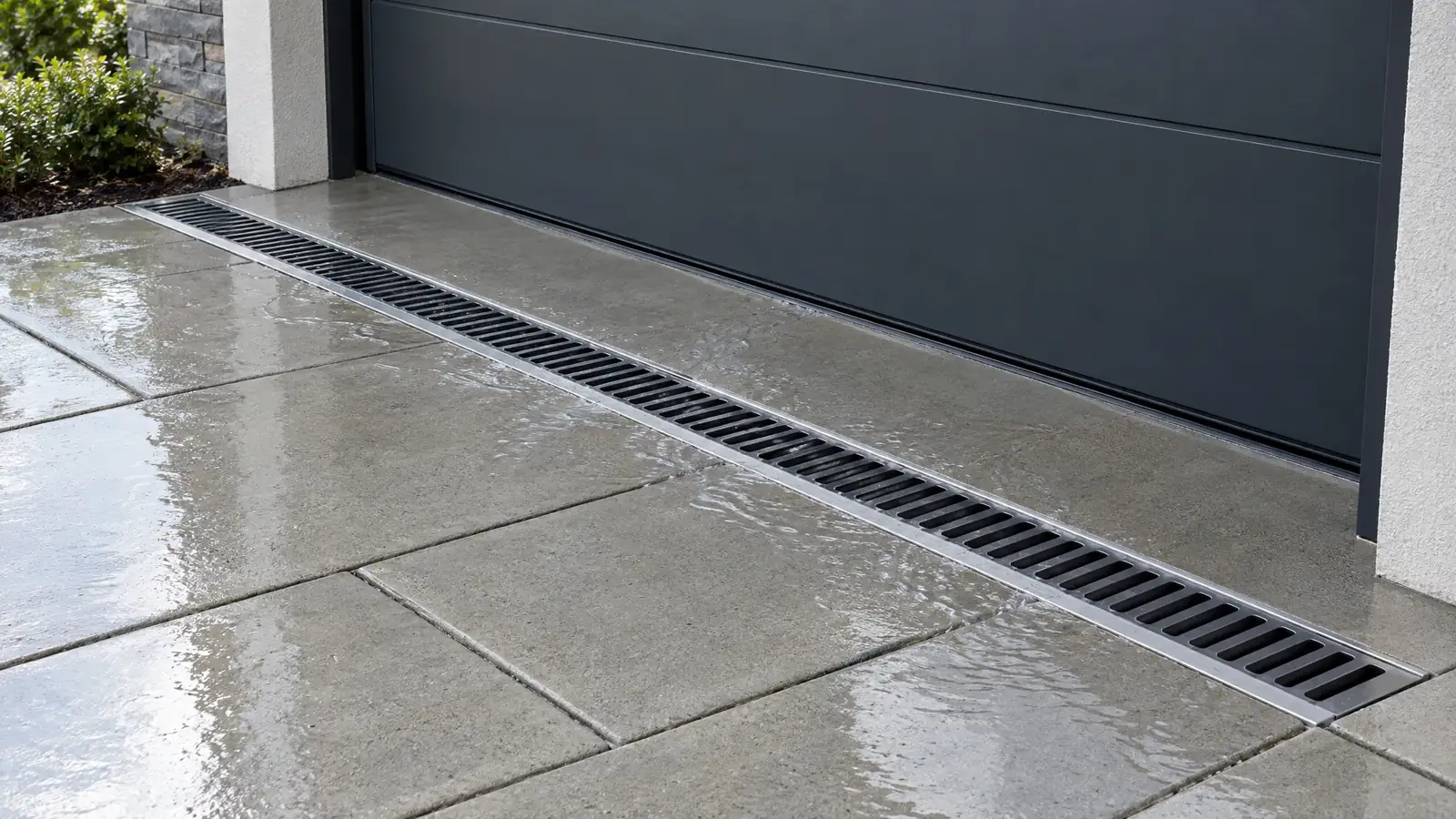
Nashville receives roughly fifty inches of rain in a typical year, often in heavy bursts. Drainage systems must handle intense events, not just averages.
Clay under the lawn
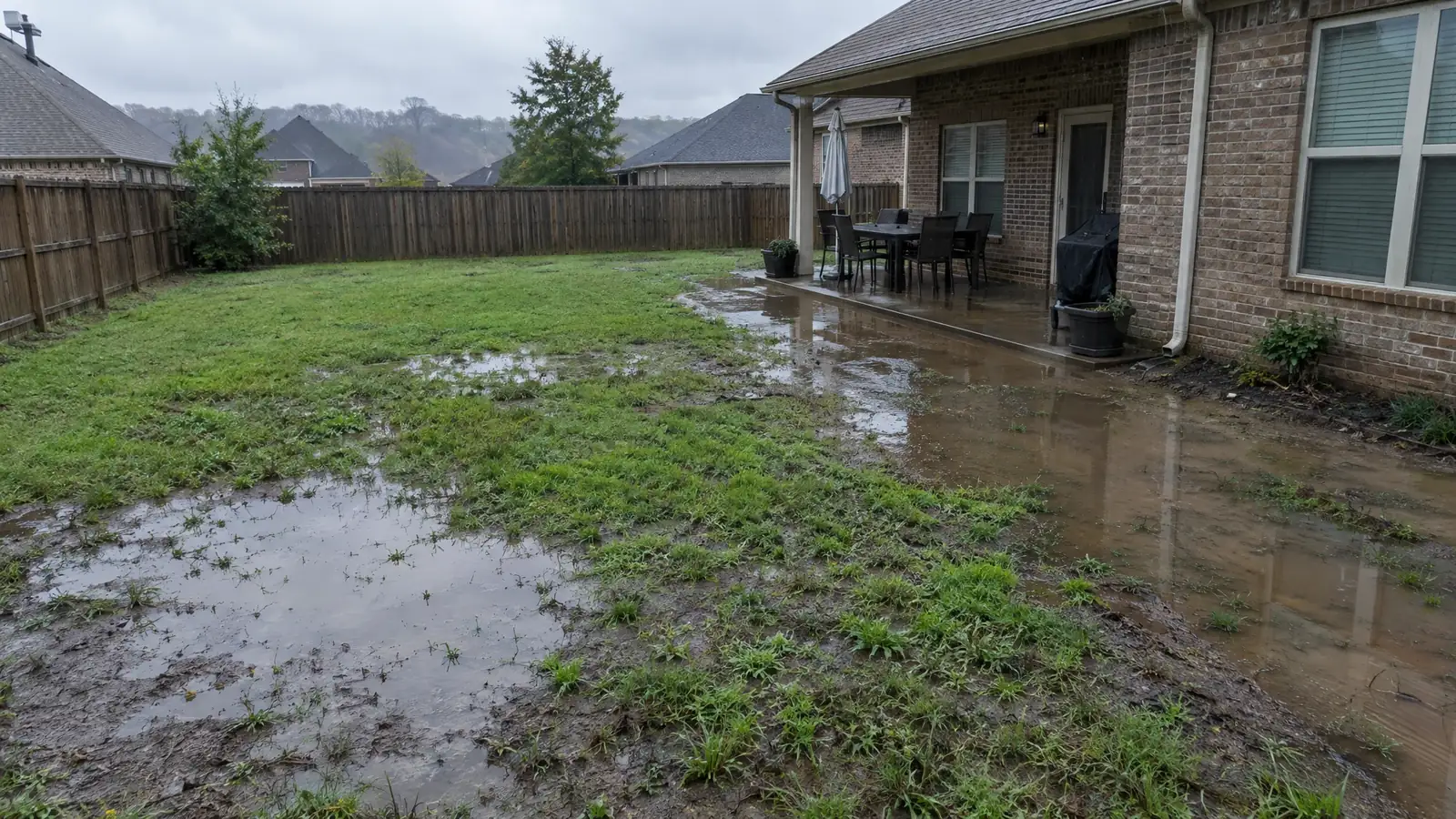
Many soils in the region are clay-rich and compact easily. Water soaks in slowly, so runoff and ponding are common on new lots.
Rock close to the surface
Limestone bedrock can be shallow in places, limiting trench depth and affecting how water moves underground.
Hills and hollows
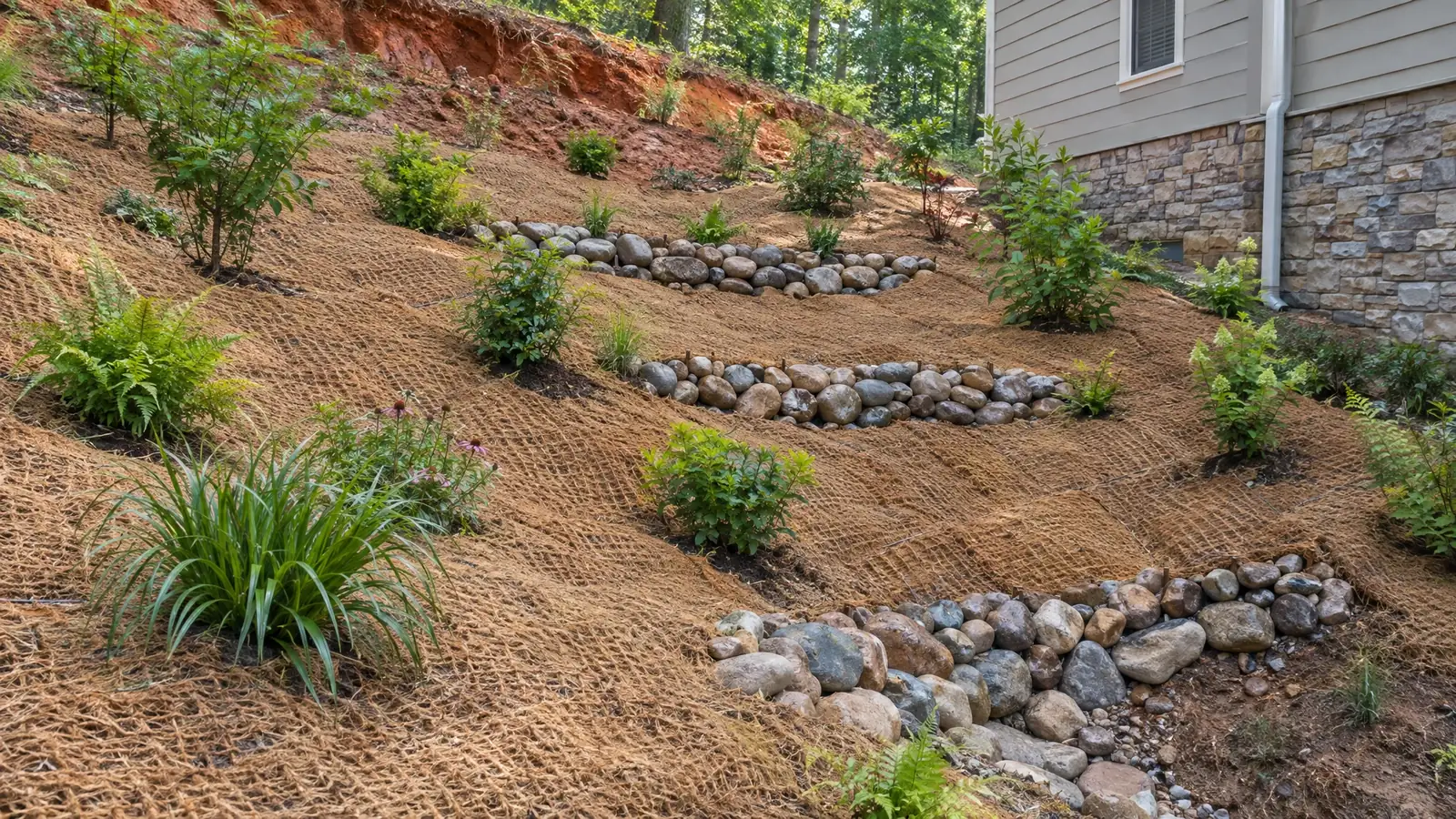
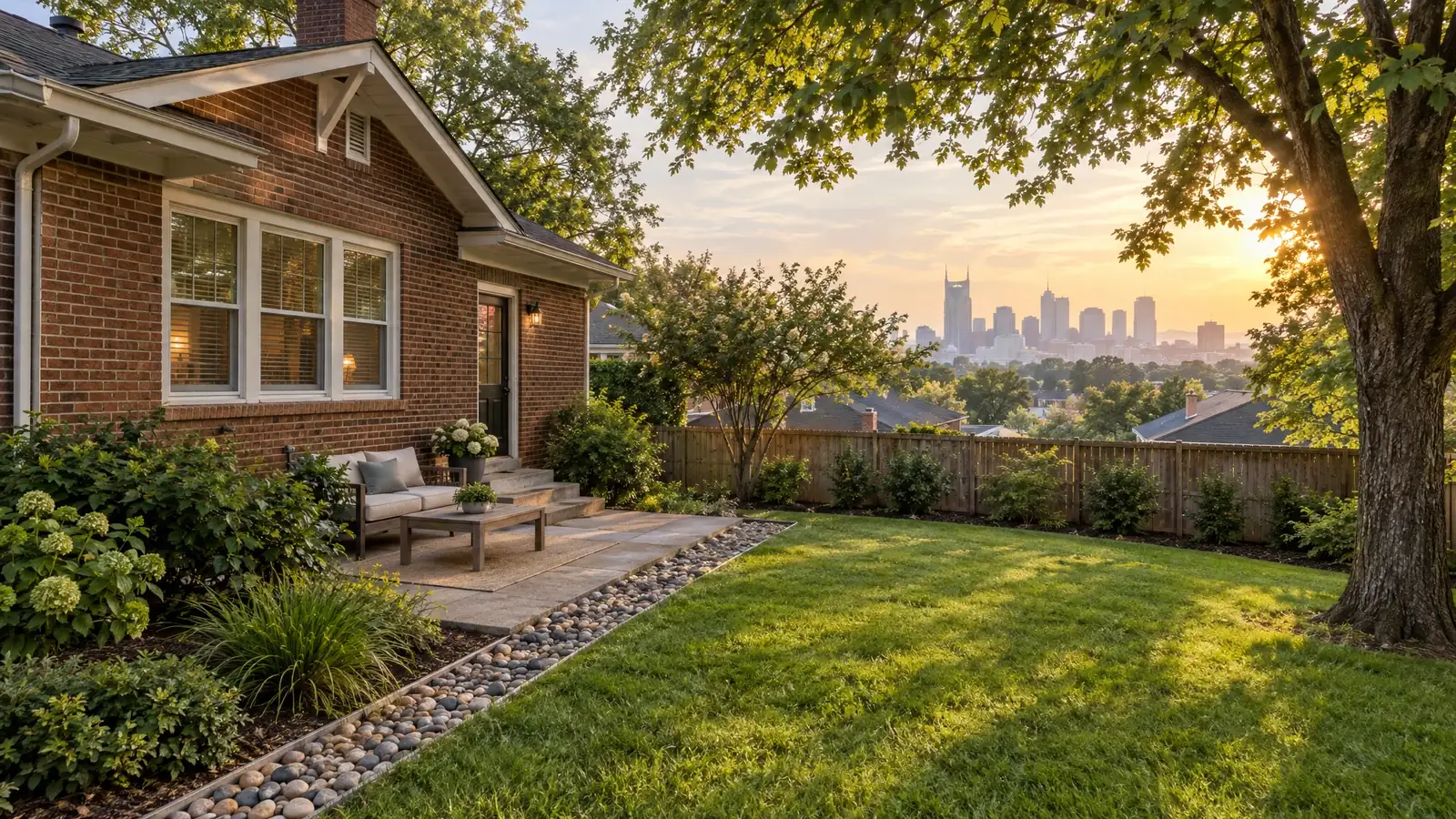
Rolling terrain sends runoff downhill fast. Hillside lots need swales, drains and erosion control; low lots receive everyone else’s water.
Neighborhood patterns
Older neighborhoods may have mature trees, aging pipes and settled grades. New subdivisions may have compacted soil and minimal topsoil. Each calls for a different approach.
Quick answers
Is drainage different in Williamson County?
The principles are the same, but hills, soils and lot sizes vary by area. That is why we visit each property.
Do I need a permit?
Rules vary by city and county. We tell you what applies.
Want a professional opinion on your property?
We offer a free visit and a clear written plan. Call (615) 393-6985 or use the form below.