Key takeaways
- Fats, oils and grease (FOG) cause many sewer blockages
- Traps and interceptors must be cleaned on schedule
- Kitchen lines need periodic jetting
- Staff habits make a big difference
The FOG problem
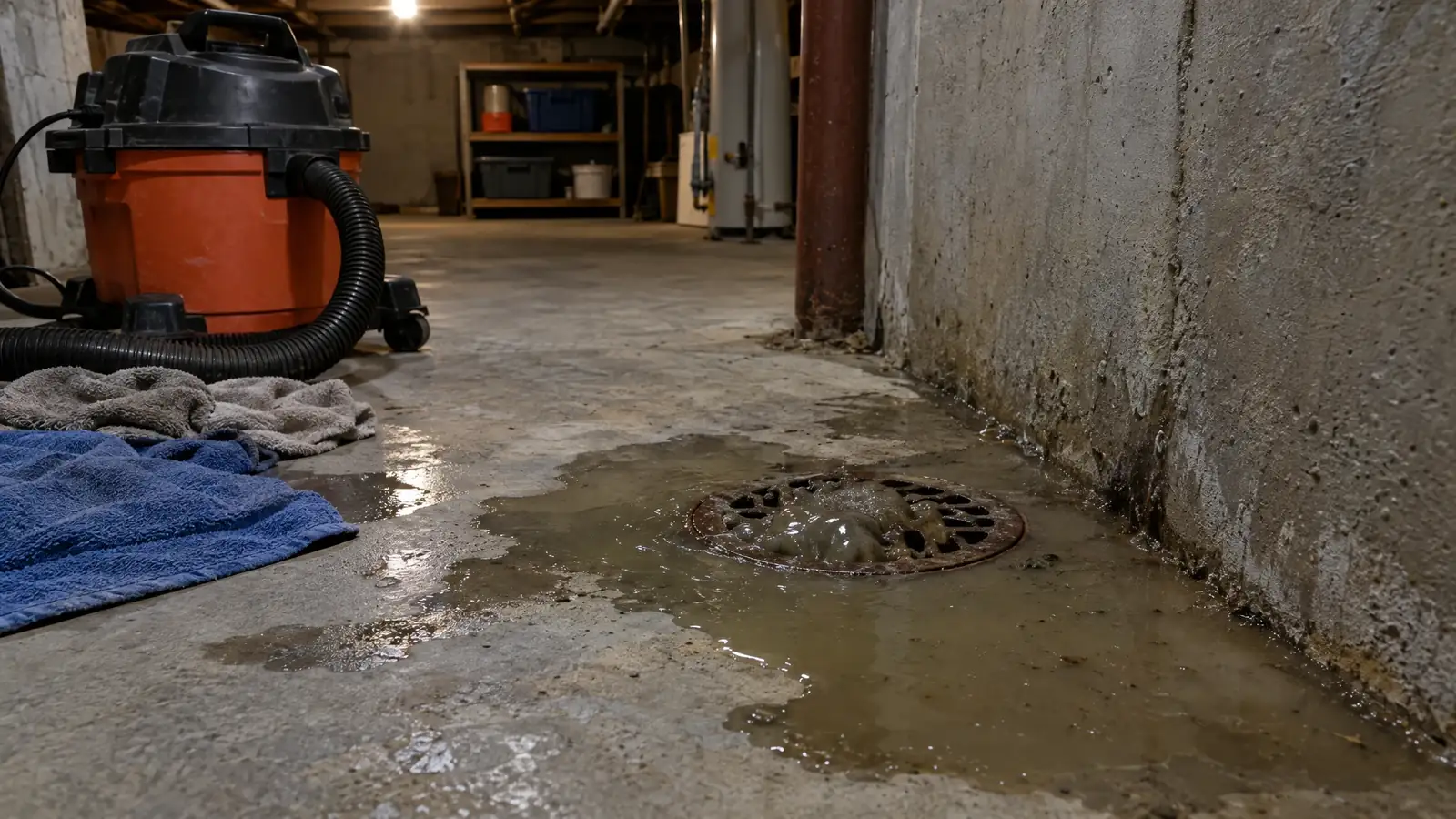
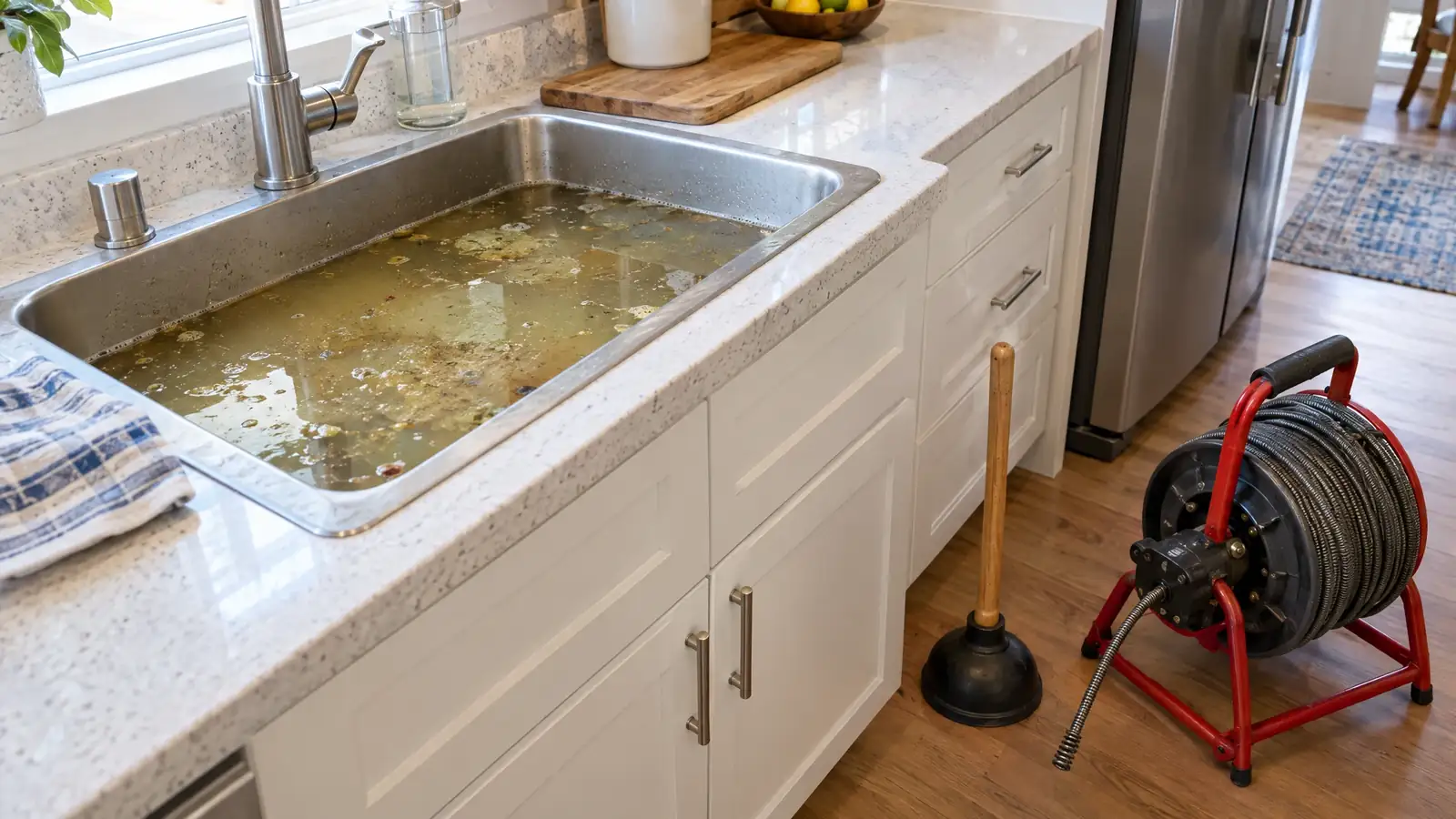
Grease and oil cool in pipes and mains and bind with other debris. Utilities and cities often regulate FOG and may require traps or interceptors.
Traps and interceptors
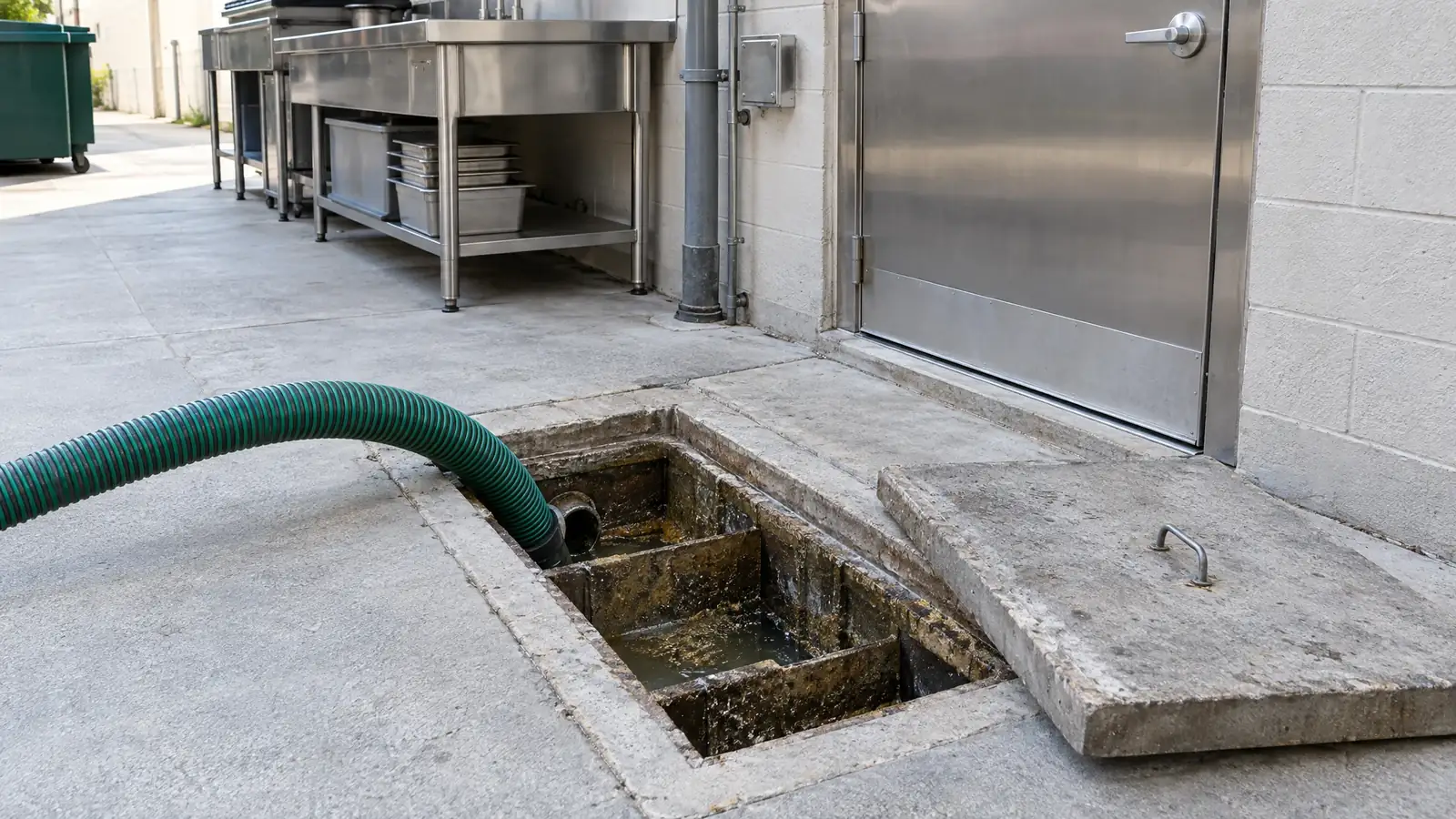
These devices separate grease before it reaches the sewer. They only work when emptied before they fill.
Kitchen line maintenance
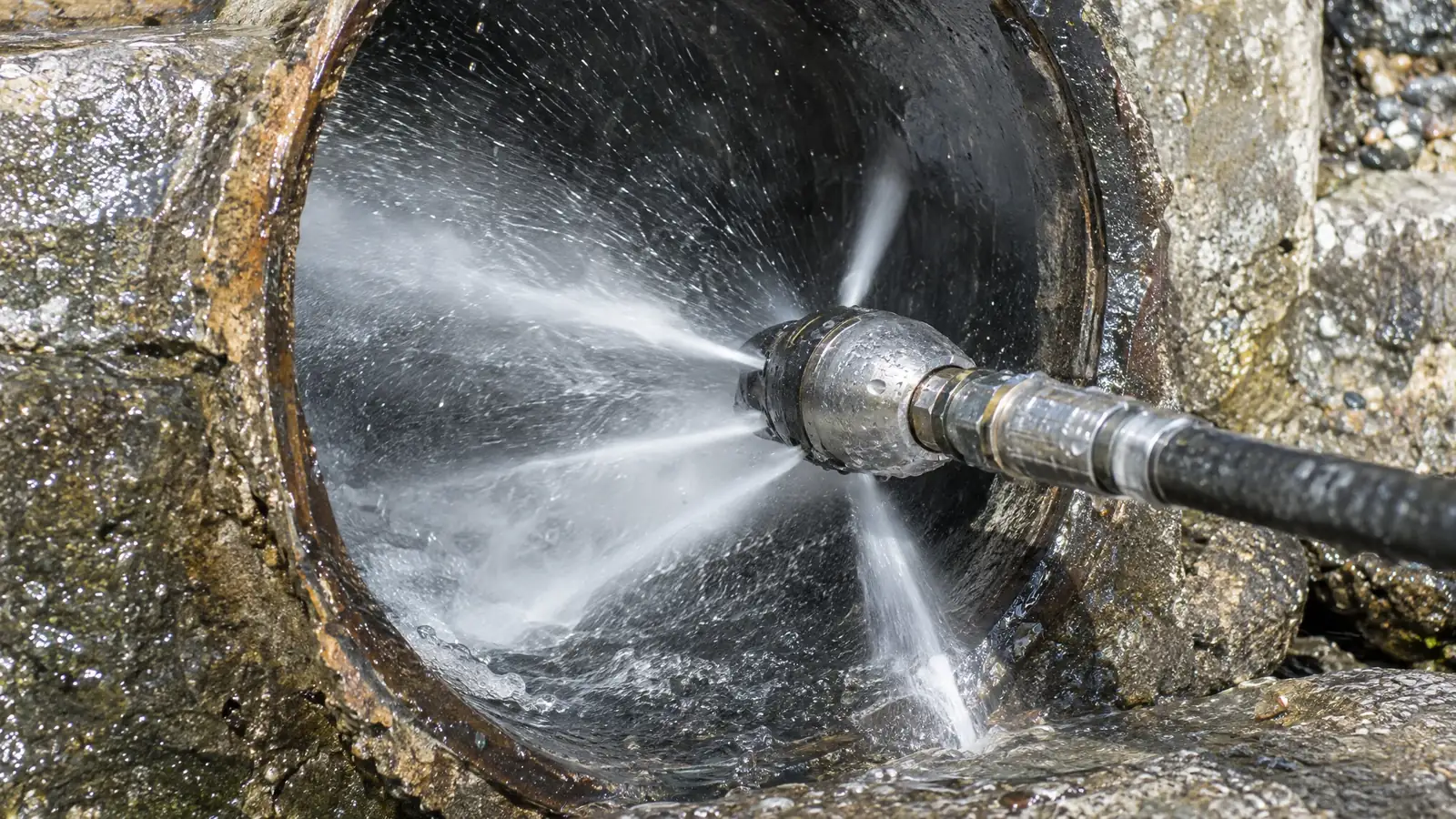
Even with a trap, kitchen lines gradually build up. Scheduled jetting removes it before it causes a backup.
Staff practices
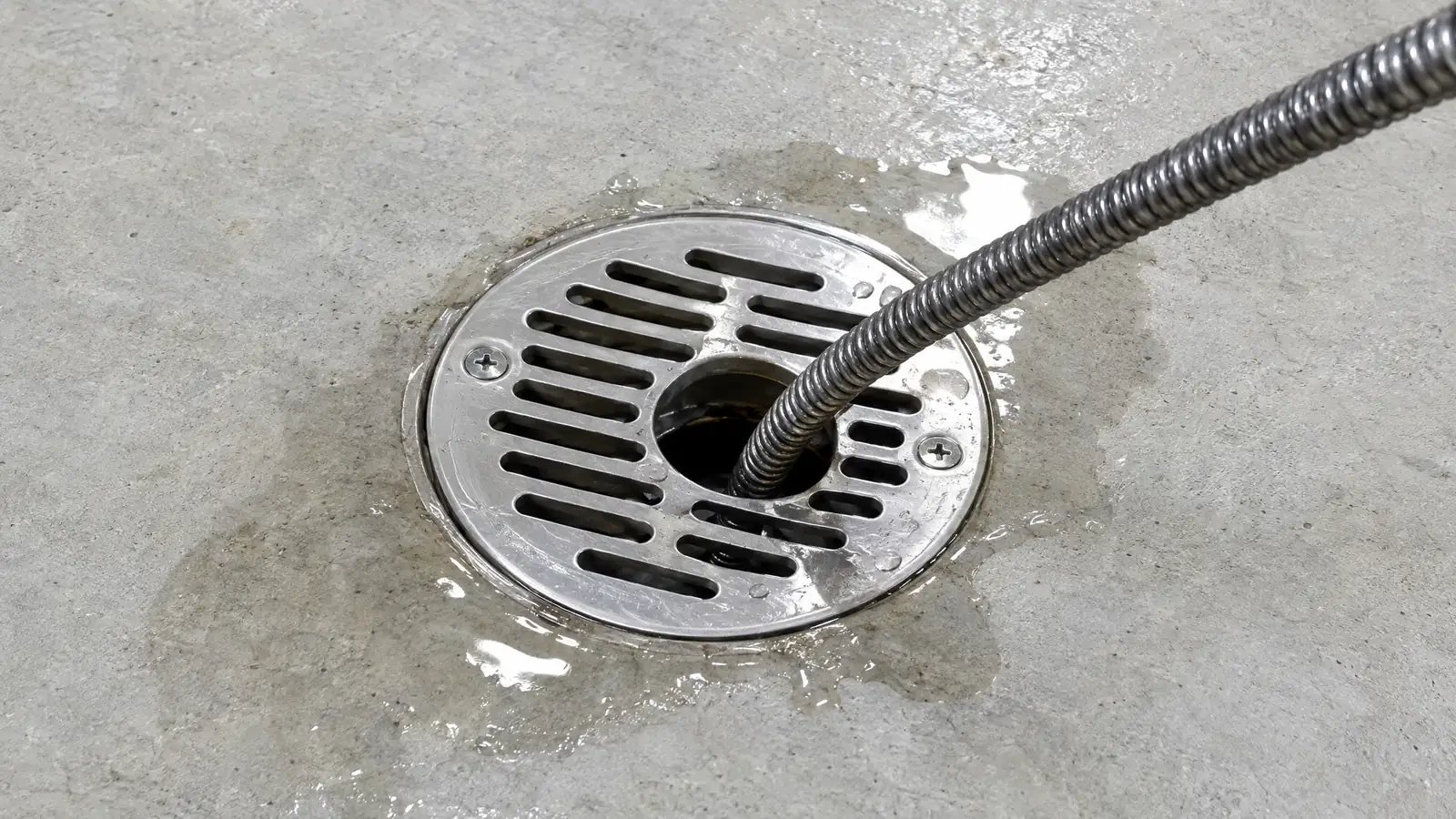
Scrape plates dry, collect used oil, use strainers and keep dish pit drains clear.
Records
Keep a simple log of service dates. It helps with inspections and with troubleshooting.
Quick answers
How often should my trap be pumped?
Many programs require service when the trap reaches a set fullness, often every one to three months. We help set a schedule.
Can enzymes replace pumping?
Not generally. They do not replace required trap service.
Want a professional opinion on your property?
We offer a free visit and a clear written plan. Call (615) 393-6985 or use the form below.