Key takeaways
- CIPP stands for cured-in-place pipe
- A resin-saturated liner becomes a new pipe inside the old one
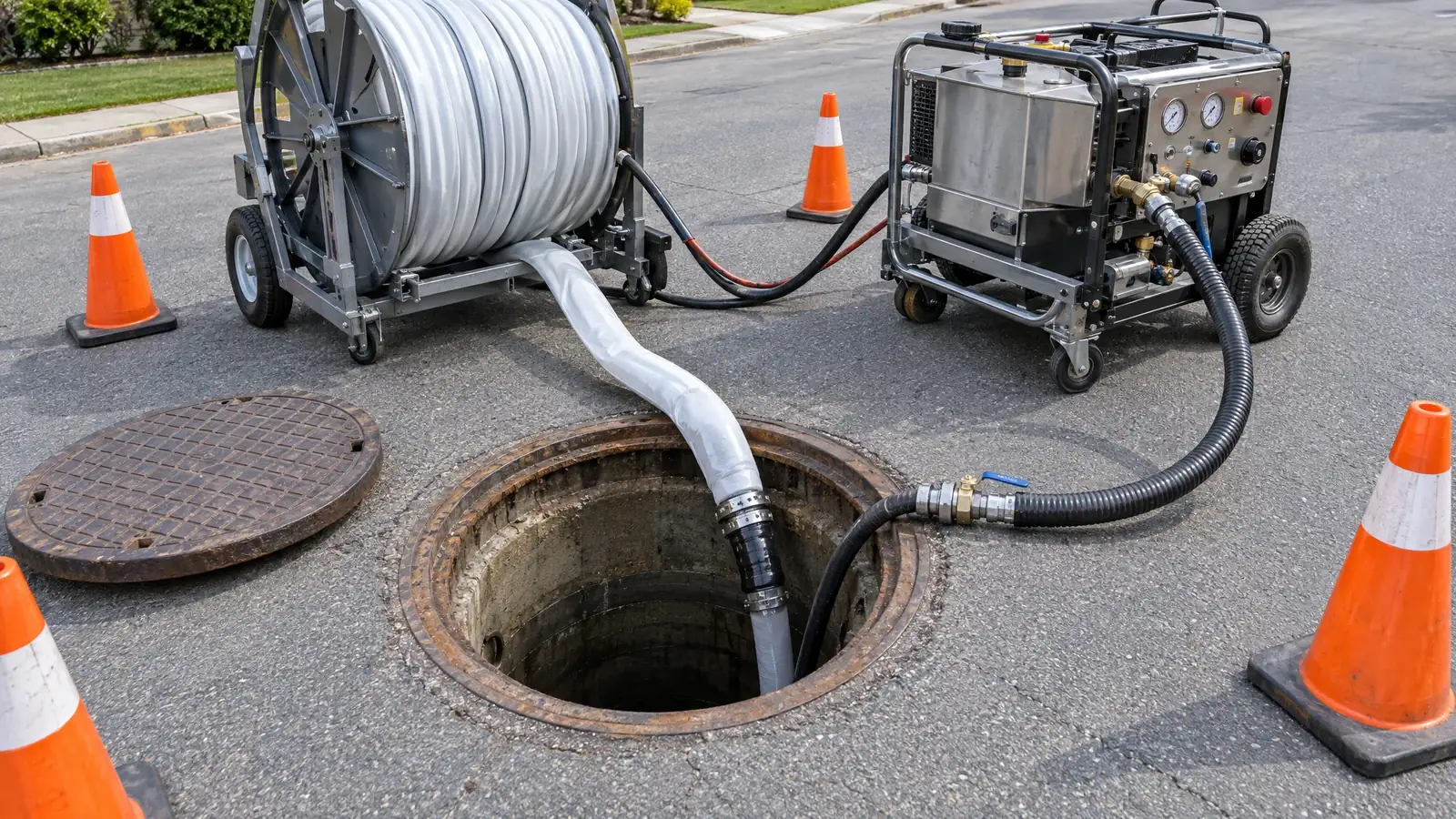
- It is installed through small access points
- It seals cracks, joints and root entry points
The short version
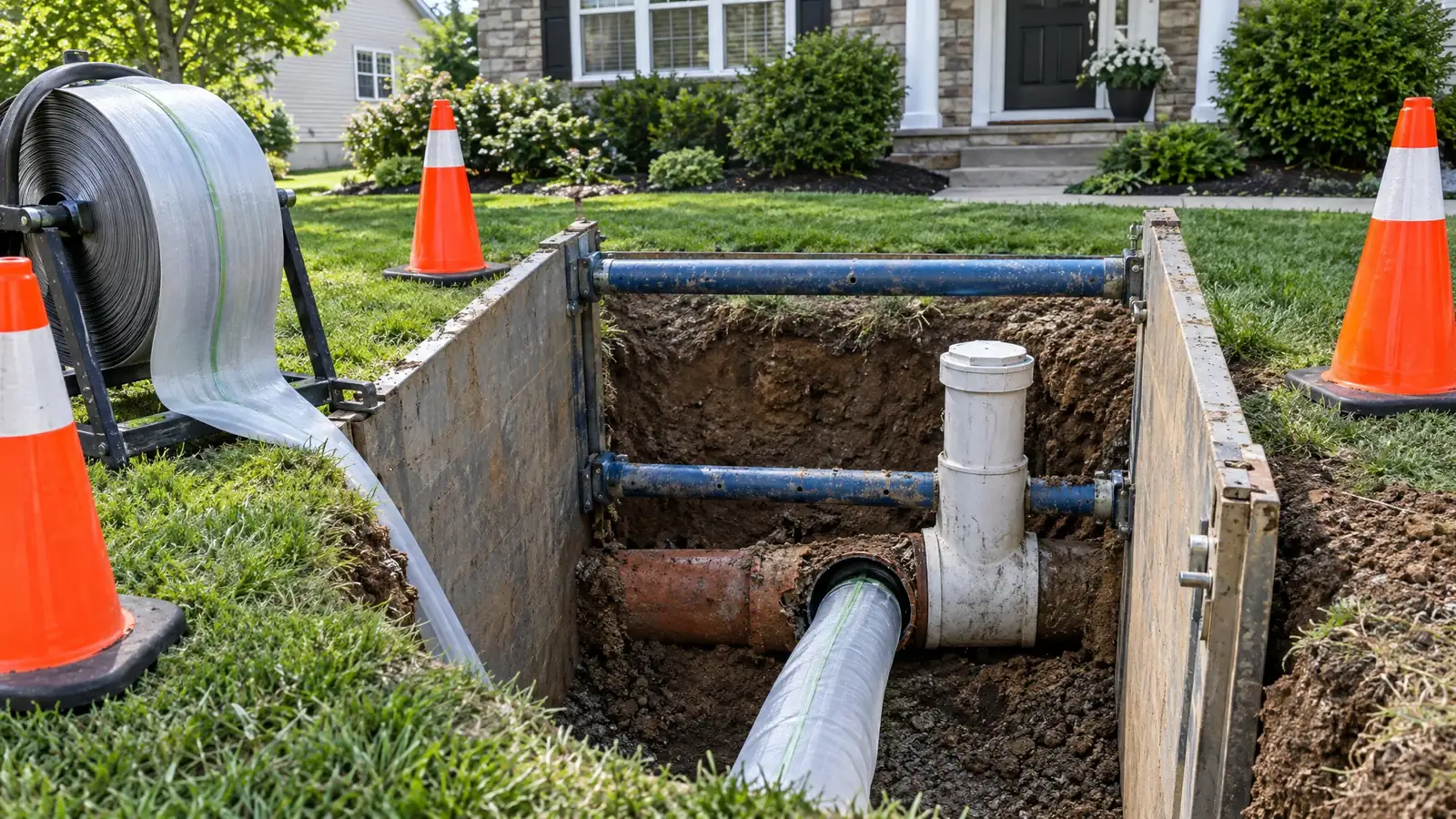
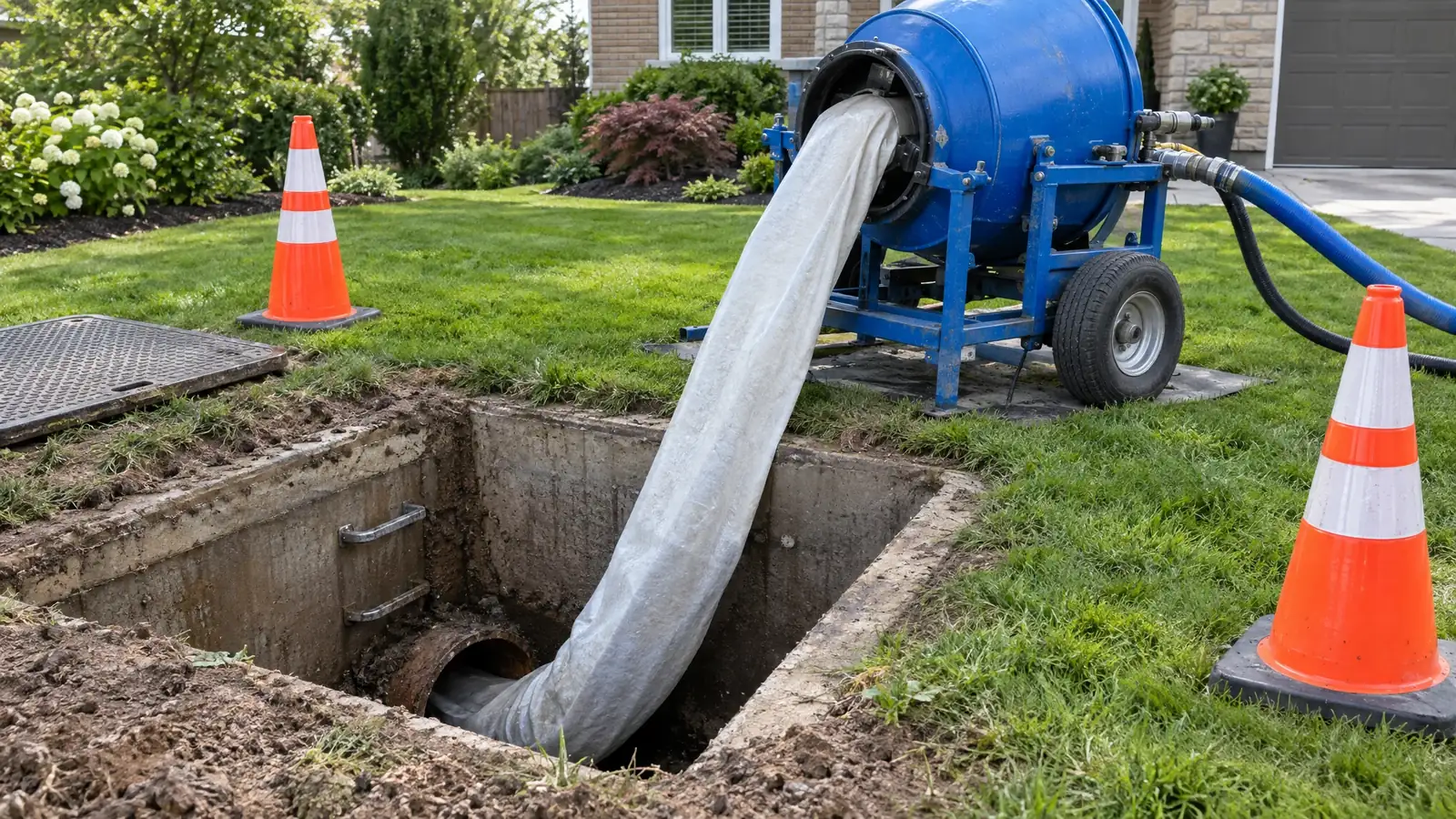
CIPP lining is a trenchless repair. A flexible tube made of felt or fiberglass is saturated with resin, placed inside the damaged pipe, pressed against the walls and hardened. The result is a seamless pipe within a pipe.
What it fixes
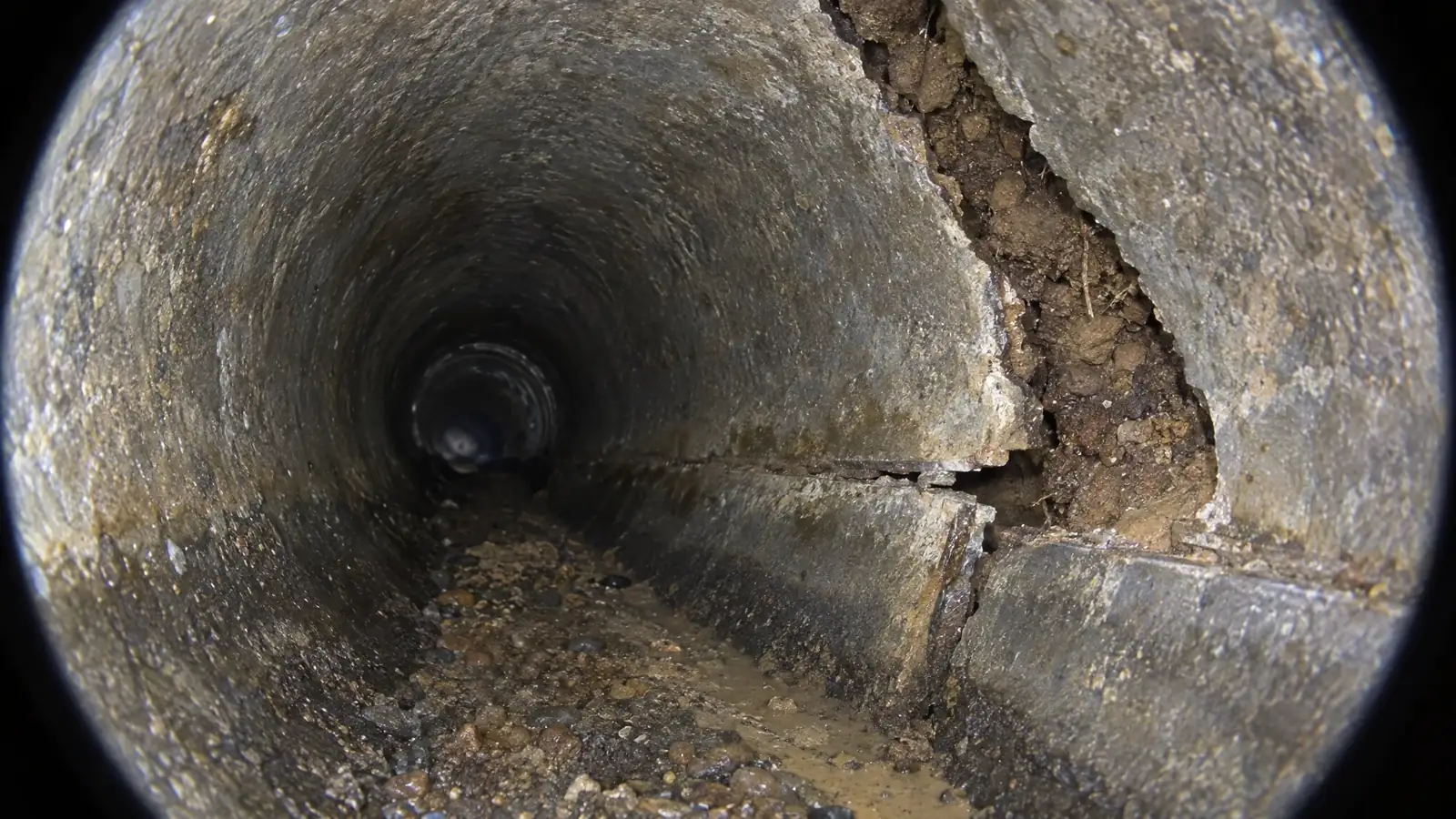
It repairs cracks, leaking joints, root intrusion and light corrosion. It also stops infiltration of groundwater. It cannot restore a pipe that has fully collapsed or has severe bellies where water pools.
What it does not need
Because the work goes through a cleanout or small pit, there is no long trench. Driveways, patios, trees and gardens remain.
What makes it work
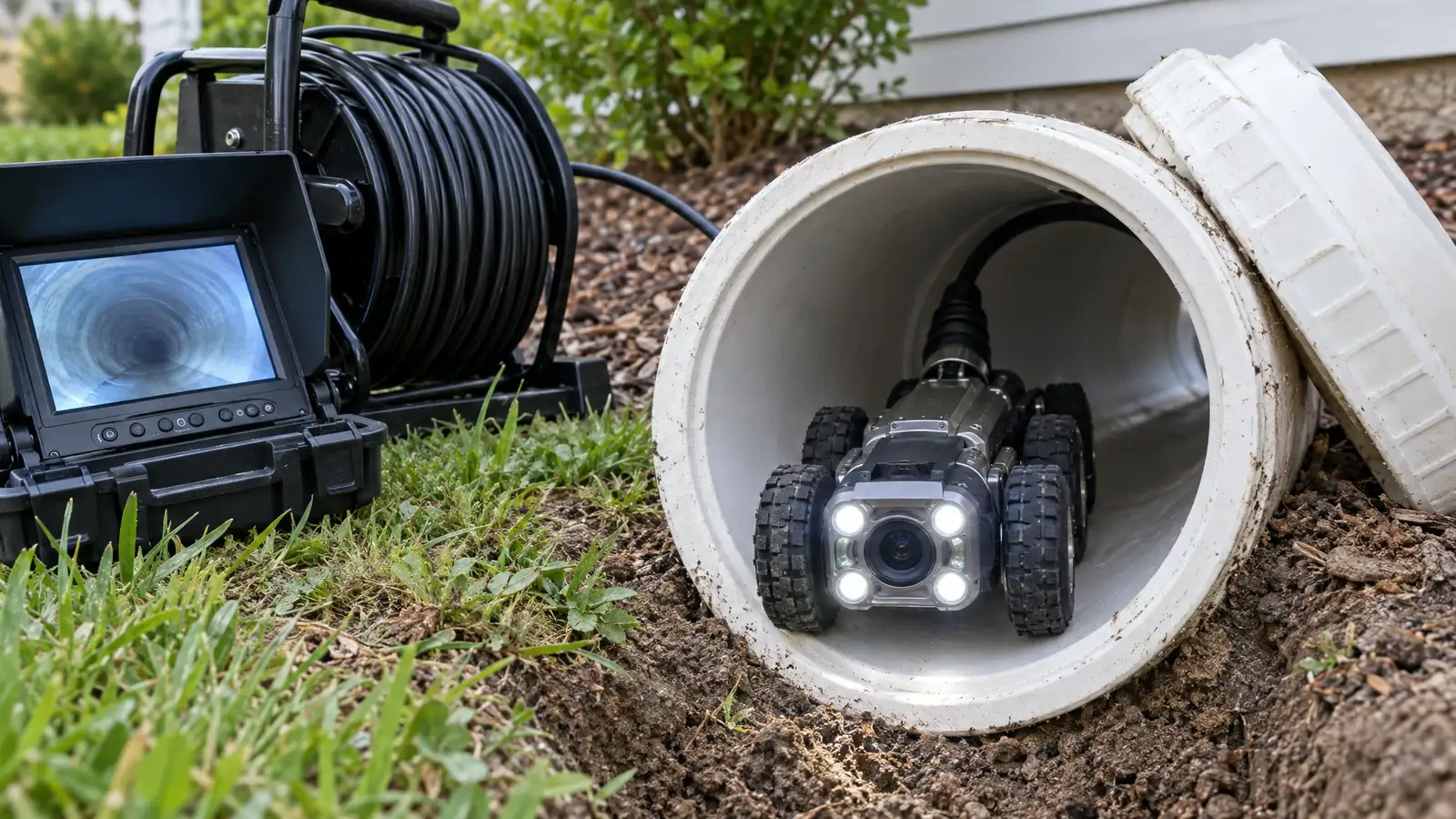
The pipe must be thoroughly cleaned first, and the liner must match the diameter and length. A camera inspection before and after confirms both.
Is it for you?
If your pipe has continuous shape and moderate damage, lining is often an excellent choice. A camera inspection decides.
Quick answers
Is CIPP a permanent repair?
Industry sources commonly cite design lives of around 50 years for properly installed liners. Actual results depend on the pipe and conditions.
Does lining work on all pipe materials?
It works on many, including clay, cast iron, Orangeburg and PVC, depending on condition.
Want a professional opinion on your property?
We offer a free visit and a clear written plan. Call (615) 393-6985 or use the form below.